
The world of digital currency extends far beyond Bitcoin, encompassing a vast and often perplexing ecosystem of assets. To genuinely navigate this landscape, understanding the diverse tipos de criptomonedas available today is fundamental. Without this clarity, investors and enthusiasts alike risk misinterpreting potential and falling prey to common pitfalls.
This isn't just about identifying names; it's about grasping the core purpose, technology, and risk profile inherent to each category.
At a Glance
- Differentiate Core Categories: Learn to distinguish between Bitcoin, Altcoins (including platform tokens, utility tokens, privacy coins), Stablecoins, and Meme Coins.
- Understand Their Roles: Grasp why each type of cryptocurrency exists and the specific problems it aims to solve or opportunities it creates.
- Assess Risk & Utility: Recognize the varying levels of volatility, utility, and speculative nature associated with different crypto types.
- Inform Your Strategy: Use this knowledge to make more educated decisions, whether you're seeking stability, innovation, or speculative gains.
- Spot Red Flags: Equip yourself to identify projects with little intrinsic value versus those building real technology.
The Foundation: A Quick Refresher

At its heart, a cryptocurrency is a digital medium of exchange secured by cryptography, operating on a decentralized network called a blockchain. Unlike traditional money, no central bank or single entity controls it. This decentralized nature, coupled with cryptographic security, underpins its appeal and functionality. Bitcoin, launched in 2009, pioneered this concept, setting the stage for thousands of other digital assets.
Before we dive into the specific tipos de criptomonedas, if you need a refresher on the foundational concepts of digital currency, including how transactions are secured and validated by 'miners' on the blockchain, you can find a comprehensive guide on Cryptocurrencies fully explained. Now, let's explore the rich diversity that exists beyond the original.
Understanding the Main Types of Cryptocurrencies
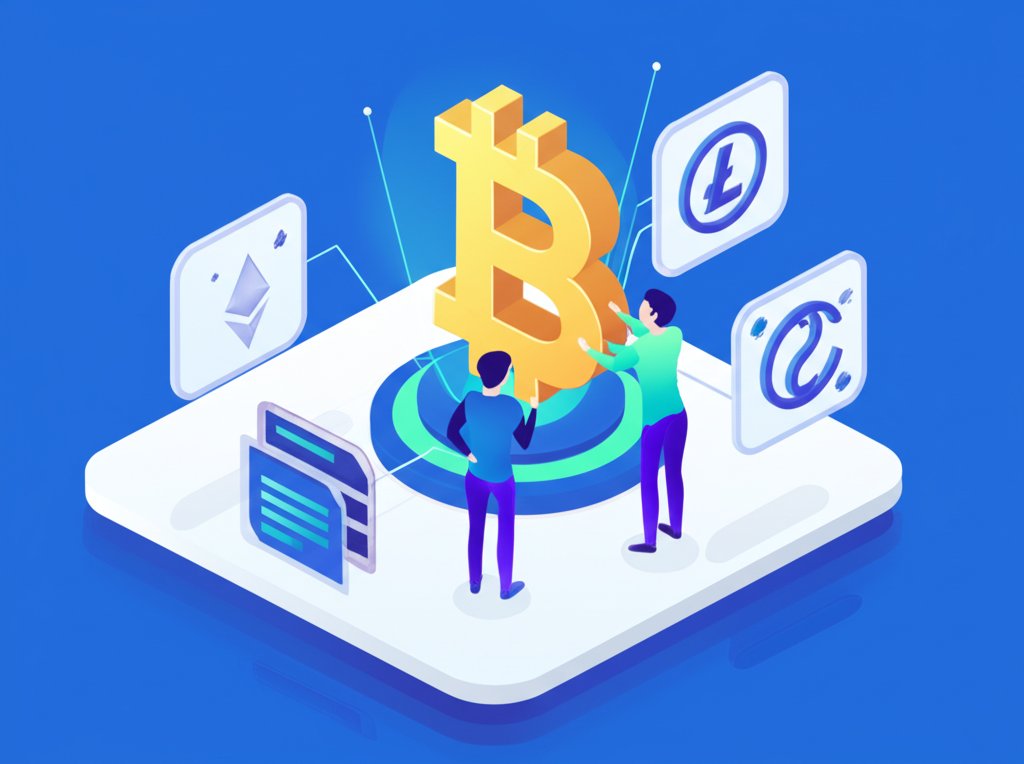
While often grouped under the single umbrella term "crypto," these digital assets serve vastly different purposes and possess distinct characteristics. Categorizing them helps in understanding their utility, potential, and inherent risks.
Bitcoin: The Original Digital Gold
Bitcoin (BTC) holds a unique position as the first and most widely recognized cryptocurrency. Created by the pseudonymous Satoshi Nakamoto, its primary function is often considered a decentralized store of value, akin to "digital gold," and a peer-to-peer electronic cash system.
- Key Characteristics:
- Limited Supply: Capped at 21 million units, making it inherently deflationary.
- Decentralization: No single entity controls it; maintained by a global network of nodes.
- Proof-of-Work: Secured by a computationally intensive mining process.
- Primary Use Case: Store of value, hedge against inflation, and cross-border payments.
- Why it Matters: Bitcoin laid the groundwork for the entire crypto industry. Its robust network and widespread adoption often set the tone for the broader market. While its technology might seem older compared to newer chains, its simplicity and security remain a cornerstone.
- Example: When someone buys BTC, they are often betting on its long-term value appreciation and its role as a secure, censorship-resistant asset.
Altcoins: The Innovators and Specialized Solutions
"Altcoin" is a blanket term for any cryptocurrency that isn't Bitcoin. These projects emerged to offer improvements or alternative functionalities that Bitcoin didn't initially provide. The altcoin space is vast and diverse, constantly innovating and specializing.
1. Platform & Smart Contract Tokens
These altcoins power blockchain platforms that allow developers to build decentralized applications (dApps), smart contracts, and even other cryptocurrencies. They act as the "gas" or native currency required to execute operations on their respective blockchains.
- Key Characteristics:
- Programmable Blockchains: Support complex applications beyond simple transactions.
- Ecosystem Development: Foster vibrant developer communities and new projects.
- Utility: Required to pay for transaction fees, deploy smart contracts, and interact with dApps.
- Examples:
- Ethereum (ETH): The second-largest cryptocurrency by market cap, Ethereum introduced smart contracts, which are self-executing contracts with the terms of the agreement directly written into code. It's the backbone for countless DeFi (Decentralized Finance) protocols and NFTs (Non-Fungible Tokens).
- Cardano (ADA): Focuses on security, scalability, and sustainability through a peer-reviewed research approach. It aims to provide a more robust and energy-efficient platform than earlier iterations.
- Solana (SOL): Known for its high transaction throughput and low fees, Solana is a direct competitor to Ethereum, targeting dApps that require speed and efficiency.
2. Utility Tokens
These tokens provide access to a specific product or service within a blockchain ecosystem. They are not designed to be an investment in the traditional sense but rather a means to utilize a platform's features.
- Key Characteristics:
- In-Platform Use: Their value is tied to the demand for the service or product they unlock.
- Non-Equity: Typically don't grant ownership or dividends in the underlying project.
- Example: Filecoin (FIL) is a utility token used to pay for decentralized data storage on the Filecoin network. If you want to store data, you use FIL; if you provide storage, you earn FIL.
3. Governance Tokens
Governance tokens grant holders the right to vote on proposals and changes within a decentralized protocol or DAO (Decentralized Autonomous Organization). They enable a community-driven decision-making process.
- Key Characteristics:
- Voting Rights: Influence the future direction, parameters, and upgrades of a protocol.
- Community Power: Distribute control away from a central authority.
- Example: Maker (MKR) token holders can vote on important decisions concerning the MakerDAO protocol, which issues the DAI stablecoin, such as interest rates or collateral types.
4. Privacy Coins
These altcoins prioritize anonymity and untraceability in transactions, making it difficult to link transactions to specific users. They use advanced cryptographic techniques to obscure sender, recipient, and transaction amounts.
- Key Characteristics:
- Enhanced Anonymity: Transactions are obfuscated, often using zero-knowledge proofs.
- Fungibility: Each unit is interchangeable, as transaction histories are hidden.
- Example: Monero (XMR) is a leading privacy coin that uses stealth addresses and ring signatures to make transactions completely private and untraceable.
Stablecoins: The Pillars of Stability
Stablecoins are a critical category of cryptocurrency designed to minimize price volatility by pegging their value to a "stable" asset, usually a fiat currency like the US dollar, but sometimes to commodities like gold or even other cryptocurrencies. They act as a bridge between the volatile crypto market and the traditional financial system.
- Key Characteristics:
- Price Stability: Aim to maintain a 1:1 peg with their underlying asset.
- Liquidity: Often used for trading, lending, and as a safe haven during market downturns.
- Accessibility: Provide an easy way to move in and out of the crypto market without converting back to fiat.
- Types of Stablecoins:
- Fiat-Backed: The most common type, where reserves of fiat currency (e.g., USD, EUR) back each token 1:1. These reserves are typically held by a central entity and audited.
- Examples: Tether (USDT), USD Coin (USDC).
- Crypto-Backed: Overcollateralized by other cryptocurrencies. If the value of the backing crypto drops, more crypto can be added to maintain the peg.
- Example: Dai (DAI), backed by various cryptocurrencies held in smart contracts.
- Algorithmic: Do not use fiat or crypto reserves but rely on algorithms and smart contracts to maintain their peg by expanding or contracting supply based on demand. These are generally considered higher risk.
- Example (Historical): TerraUSD (UST), which famously depegged and collapsed, highlighting the risks of purely algorithmic designs.
- Practical Use: A trader might convert volatile assets like Bitcoin into USDC to "park" funds during a bear market, or to facilitate easy transactions between exchanges without incurring multiple fiat conversion fees.
Meme Coins & Shitcoins: The Speculative Frontier
This category is driven primarily by community hype, internet memes, and speculative trading rather than fundamental utility or groundbreaking technology. The term "shitcoin" is often used to describe cryptocurrencies with little to no discernible use case or long-term viability, created purely for speculation.
- Key Characteristics:
- Community-Driven: Often gain traction through viral social media campaigns.
- High Volatility: Prices can pump dramatically based on sentiment and dump just as quickly.
- Lack of Utility: Many lack a clear problem they solve or a robust development roadmap.
- High Risk: While some offer astronomical returns, most lose significant value over time.
- Examples:
- Dogecoin (DOGE): Started as a joke, featuring the Shiba Inu dog meme. It gained massive popularity, partly due to endorsement from figures like Elon Musk, demonstrating the power of community and social media in crypto.
- Shiba Inu (SHIB): Another dog-themed meme coin, positioned as a "Dogecoin killer," which also saw explosive growth driven by viral marketing and a dedicated community.
- Investor Takeaway: While these can offer exciting (and sometimes fleeting) gains, they come with extreme risk. They are generally not recommended for long-term investment strategies due to their lack of underlying value and high susceptibility to market manipulation. Approach with extreme caution and only capital you can afford to lose.
What Determines a Cryptocurrency's Value?
Regardless of the specific tipos de criptomonedas, several factors collectively influence their market value, moving beyond mere speculation:
- Supply and Demand: The fundamental economic principle. Limited supply (like Bitcoin's 21 million cap) combined with high demand can drive prices up.
- Adoption and Utility: How widely is the cryptocurrency used? Does it solve a real-world problem? A platform like Ethereum, supporting countless dApps, derives value from its widespread utility.
- Technological Updates: Continuous development, upgrades (like Ethereum's move to Proof-of-Stake), and new features can significantly boost a crypto's perceived value.
- Competition: The crypto space is crowded. New projects constantly emerge, vying for market share and developer talent, which can impact existing projects.
- Ease of Purchase and Liquidity: How easy is it to buy and sell the crypto on exchanges? High liquidity means easier trading and often more stable pricing.
- Regulation and Macroeconomic Factors: Government regulations, interest rates, and global economic stability can all affect investor sentiment and, consequently, crypto prices.
A Practical Playbook for Navigating Crypto Types
Knowing the different tipos de criptomonedas isn't just academic; it's essential for making informed decisions.
1. Define Your Goals First
Before you even think about buying, ask yourself:
- What is my objective? (e.g., long-term store of value, high-risk speculative growth, passive income, transactional utility, stability during market volatility).
- What is my risk tolerance? (e.g., conservative, moderate, aggressive).
- Scenario: If you're looking for a relatively stable asset to park funds within the crypto ecosystem, a fiat-backed stablecoin like USDC might be appropriate. If you're seeking exposure to a decentralized, censorship-resistant store of value, Bitcoin could be a consideration. If you want to participate in the growth of decentralized applications, a platform token like ETH or SOL would be more aligned.
2. Research Beyond the Hype
Once you have a goal, focus your research on relevant crypto types.
- For Platform/Utility Tokens: Dive into the project's whitepaper, team, roadmap, community size, and existing dApps built on its chain. Look for real-world adoption and active development.
- For Stablecoins: Investigate their backing mechanism. Is it transparently audited? Who are the issuers? What are the risks of de-pegging?
- For Meme Coins: Understand that these are pure speculation. Research the community's strength, current trends, and be prepared for extreme volatility. Don't fall for "get rich quick" promises.
3. Diversify Strategically (Not Just More Coins)
Diversification isn't just about buying many different cryptocurrencies; it's about diversifying across types of cryptocurrencies that serve different purposes and have varying risk profiles.
- Example Strategy: A balanced portfolio might include a core holding of Bitcoin (store of value), a portion in Ethereum (exposure to dApp innovation), some stablecoins (for liquidity and reduced volatility), and a small, highly speculative allocation to an emerging altcoin or even a meme coin (for potential high reward, understanding the high risk).
4. Understand the Trade-offs
Every type of cryptocurrency comes with inherent trade-offs:
- Bitcoin: High security, decentralized, but less programmable and slower transactions than some altcoins.
- Platform Tokens: High innovation potential, but often face scaling challenges, regulatory uncertainty, and competition.
- Stablecoins: Price stability, but carry counterparty risk (for fiat-backed) or smart contract risk (for crypto/algorithmic).
- Meme Coins: Potential for rapid gains, but extreme volatility and high risk of total loss.
Quick Answers: Common Questions About Crypto Types
Are all altcoins good investments?
Absolutely not. The vast majority of altcoins fail or underperform. While some offer groundbreaking technology and significant returns, many are speculative projects with weak fundamentals, often called "shitcoins." Thorough research into utility, team, and roadmap is crucial.
What's the riskiest type of cryptocurrency?
Generally, meme coins and purely speculative altcoins without clear utility or a robust development team are the riskiest. Their value is almost entirely dependent on hype and social media sentiment, making them highly volatile and prone to sudden crashes.
How do stablecoins maintain their peg?
Fiat-backed stablecoins (like USDT, USDC) hold equivalent reserves of traditional currency in bank accounts to match the tokens in circulation. Crypto-backed stablecoins (like DAI) are overcollateralized by other cryptocurrencies, managed by smart contracts that liquidate collateral if the price drops to maintain the peg. Algorithmic stablecoins attempt to maintain a peg through complex economic models and smart contracts that adjust supply and demand, but this method has proven to be highly risky.
Can a "shitcoin" become a valuable asset?
It's rare, but possible. Dogecoin, for instance, started as a joke but gained significant value due to massive community adoption and celebrity endorsement. However, these are outliers. Relying on such an event is highly speculative and akin to gambling. Most projects without fundamental utility will eventually fade.
Should I invest in a specific type of cryptocurrency based on current trends?
While trends can offer insights, basing your entire strategy solely on "what's hot right now" is risky. Market sentiment can shift quickly, leading to significant losses. A more sustainable approach involves understanding the underlying technology, long-term utility, and aligning your choices with your personal risk tolerance and investment goals, rather than chasing every new fad.
Moving Forward with Confidence
Navigating the diverse landscape of tipos de criptomonedas doesn't have to be overwhelming. By understanding the core categories—Bitcoin, Altcoins with their various specializations, the crucial role of Stablecoins, and the high-risk nature of Meme Coins—you gain a powerful framework.
Always approach the market with a clear objective, conduct thorough due diligence, and remember that even within the same type, individual projects vary greatly. The cryptocurrency market is dynamic and evolving, so continuous learning and adaptability are your best allies for making informed and confident decisions.