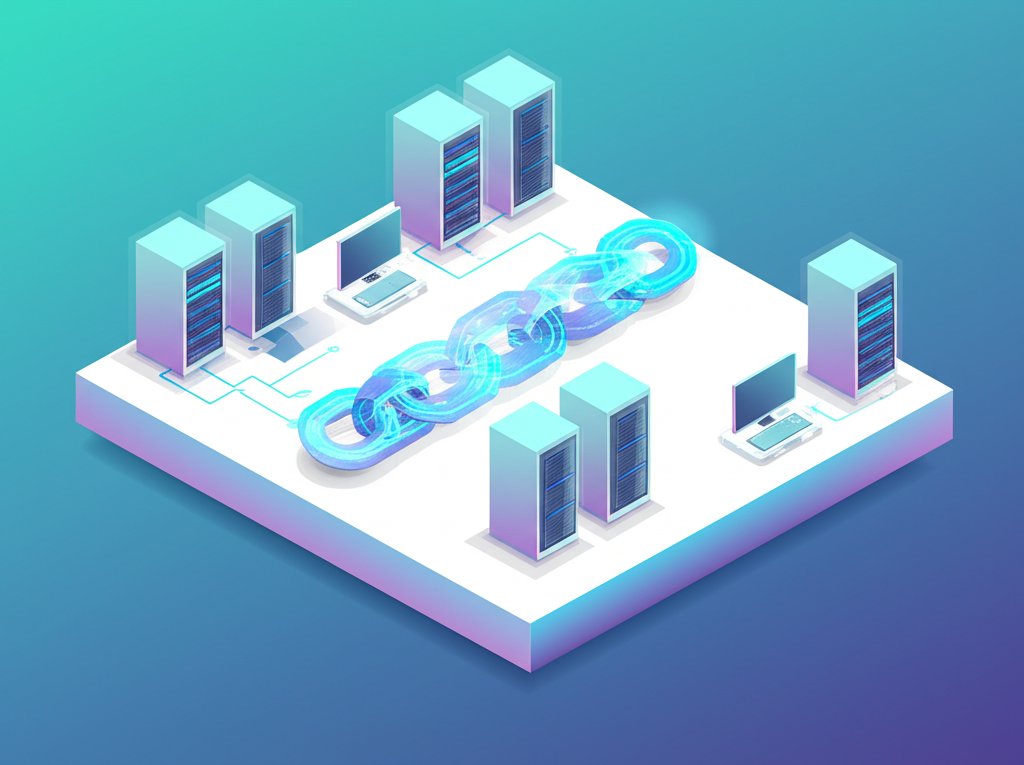
When you dive into the world of digital assets, understanding what is a ledger in crypto isn't just academic; it's fundamental to grasping how these systems maintain integrity, trust, and value without traditional intermediaries. Forget the dusty, leather-bound books of old banks. In cryptocurrency, a ledger is a dynamic, decentralized, and often public record of every single transaction that has ever occurred within its network. It's the engine that powers transparency and security, ensuring that your digital coins are truly yours and can only be spent once.
At a Glance: What You'll Discover About Crypto Ledgers
- Core Function: How crypto ledgers meticulously record every transaction, ensuring digital asset ownership and transfer.
- Decentralization's Power: Why distributing ledger copies across thousands of computers is crucial for security and trust.
- Immutability Explained: The mechanism that makes transaction records irreversible and tamper-proof.
- Beyond Blockchain: An exploration of different ledger architectures beyond just the common blockchain.
- Real-World Impact: How these ledgers enable everything from cross-border payments to supply chain tracking.
- Key Components: The essential elements—from cryptographic keys to consensus mechanisms—that make crypto ledgers function.
Demystifying the Crypto Ledger: More Than Just a Record Book

At its heart, a crypto ledger is a digital database. But unlike a conventional bank ledger, which is a centralized system controlled by a single institution, a crypto ledger operates on a decentralized network. This means no one entity owns or controls the entire record. Instead, identical copies of the ledger are distributed and synchronized across thousands of computers, or "nodes," globally.
This decentralized nature is pivotal. It eliminates a single point of failure, making the system incredibly resilient to attacks or censorship. Every transaction—from sending Bitcoin to buying an NFT on Ethereum—is recorded, time-stamped, and cryptographically secured within this shared ledger. This creates an unalterable history of ownership and movement of digital assets, forming the backbone of trust in a trustless environment. To truly grasp the broader landscape, it helps to understand the foundational concepts of these records. For a comprehensive overview of how these digital records function across different cryptocurrencies, you can Understand crypto ledgers in more detail.
Core Characteristics That Define a Crypto Ledger
Crypto ledgers aren't just unique because they're digital; they possess several defining traits that set them apart from traditional record-keeping:
- Transparency: Almost anyone can view the transaction history on a public crypto ledger. While transaction addresses are pseudonymous (not directly linked to personal identity), the flow of value is openly auditable, fostering a new level of accountability.
- Immutability: Once a transaction is recorded and confirmed, it's virtually impossible to alter or delete it. This "write-once, append-only" nature is secured by cryptographic hashing and network consensus, ensuring historical accuracy.
- Decentralization: By distributing copies across a vast network, there's no central authority to manipulate data or shut down the system. This drastically reduces the risk of fraud and censorship.
- Consensus Mechanisms: These are the rules that govern how new transactions are validated and added to the ledger. Proof of Work (PoW) and Proof of Stake (PoS) are two prominent examples, ensuring that only valid transactions are included and that all distributed copies remain synchronized.
How a Crypto Ledger Actually Works: The Engine of Trust

The operational mechanics of a crypto ledger are a marvel of distributed computing, solving long-standing problems like the "double-spend" issue (where someone tries to spend the same digital money twice).
- Initiating a Transaction: A user begins a transaction, for example, sending 1 BTC to another address. This action requires the user's private key to digitally sign the transaction, proving ownership.
- Broadcasting to the Network: The signed transaction is then broadcast to the network of nodes. These nodes are computers running the crypto software, constantly listening for new transactions.
- Verification by Nodes: Each node independently verifies the transaction. They check if the sender has sufficient funds, if the digital signature is valid, and if the transaction adheres to the network's rules.
- Consensus and Grouping: Once verified by multiple nodes, the transaction is grouped with other pending transactions into a "block" (in blockchain-based ledgers). A consensus mechanism then kicks in. For PoW, miners compete to solve a complex puzzle to add the block. For PoS, validators are chosen to create new blocks based on their stake.
- Adding to the Ledger: The successfully validated block is then added to the existing chain of blocks, forming an immutable record. Once added, the transaction is confirmed and permanently etched into the ledger.
- Network Synchronization: All nodes update their copy of the ledger to reflect the newly added block. This ensures that every participant has the exact same, up-to-date record of all transactions.
This entire process, from initiation to confirmation, typically takes minutes or seconds, depending on the specific cryptocurrency network. The cryptographic links between blocks make it incredibly difficult to tamper with past records; changing one block would require re-mining every subsequent block, which demands immense computational power—an impossible feat for a truly decentralized network.
Beyond Blockchain: A Spectrum of Ledger Architectures
While "blockchain" and "crypto ledger" are often used interchangeably, it's important to recognize that blockchain is just one, albeit the most popular, type of decentralized ledger technology (DLT). Other architectures offer different trade-offs in terms of speed, scalability, and decentralization.
1. Blockchain Ledgers
- Concept: A chronological, linear chain of "blocks," where each block contains a set of transactions and is cryptographically linked to the previous one.
- Examples: Bitcoin, Ethereum.
- Characteristics: High security and immutability. Can face scalability challenges, leading to slower transaction times and higher fees during peak network usage.
2. Directed Acyclic Graph (DAG) Ledgers
- Concept: Instead of blocks, transactions are directly linked to several previous transactions, forming a graph-like structure where data flows in one direction (acyclic).
- Examples: IOTA (Tangle), Nano.
- Characteristics: Designed for high scalability and feeless transactions, as individual transactions validate others. Can be less decentralized or secure than traditional blockchains in some implementations.
3. Hashgraph
- Concept: Employs a unique gossip protocol and "gossip about gossip" consensus mechanism to create a highly efficient, fair, and secure ledger.
- Example: Hedera Hashgraph.
- Characteristics: Aims for very high transaction throughput, low latency, and fairness without the need for Proof of Work, making it energy-efficient.
4. Holochain
- Concept: Not a global ledger in the traditional sense, but a framework where each agent (user) maintains their own validated chain of data, stored on a distributed hash table (DHT).
- Characteristics: Focuses on agent-centric applications, aiming for massive scalability by not requiring all nodes to store the entire ledger history. More of a distributed application framework than a global DLT.
5. Centralized Ledgers (for contrast)
- Concept: Managed by a single entity, like a bank or a corporation. All transaction records reside on their private servers.
- Examples: Traditional banking systems, corporate databases.
- Characteristics: High speed and control by the central entity. Susceptible to single points of failure, censorship, and lack transparency for external parties.
Understanding these distinctions helps clarify that the core principle of a crypto ledger—a tamper-proof, auditable record—can be implemented through various architectural designs, each with its own strengths and ideal use cases.
The Anatomy of a Crypto Ledger: Key Components in Detail
To fully appreciate the robustness of a crypto ledger, it helps to understand its fundamental building blocks:
- Transactions: The atomic unit of the ledger. Each transaction details the sender, recipient, amount, and sometimes additional data (e.g., smart contract calls).
- Blocks (in Blockchains): A collection of verified transactions bundled together. Each block includes a unique hash of the previous block, creating an unbreakable chain.
- Consensus Mechanisms: The rules and processes (like Proof of Work, Proof of Stake) that enable decentralized networks to agree on the valid state of the ledger and add new blocks/transactions.
- Hashing Functions: Cryptographic algorithms that take an input (e.g., a block of transactions) and produce a fixed-size, unique string of characters (a hash). Even a tiny change to the input dramatically alters the hash, ensuring data integrity.
- Digital Signatures: Cryptographic proof generated by a user's private key to authorize a transaction. This verifies the sender's identity and ensures the transaction hasn't been tampered with.
- Nodes: The computers that run the cryptocurrency software, verify transactions, store a copy of the ledger, and participate in the consensus process. The more nodes, the more decentralized and secure the network.
- Ledger State: The current, agreed-upon record of all accounts and their balances. Every node must agree on this state for the network to function correctly.
- Smart Contracts: Self-executing agreements with the terms of the agreement directly written into code. These run on the ledger, often on platforms like Ethereum, automating processes without intermediaries.
- Cryptographic Keys (Public and Private): A pair of mathematically linked keys. The public key is like your bank account number (visible to all), while the private key is like your PIN (kept secret) used to sign transactions and prove ownership.
Why It Matters: The Impact and Advantages of Decentralized Ledgers
The unique design of crypto ledgers brings profound advantages that are reshaping finance, technology, and beyond. This is why understanding what is a ledger in crypto is crucial for anyone engaging with digital assets.
- True Decentralization: By distributing power away from central authorities, these ledgers prevent censorship, single points of failure, and undue influence. This empowers individuals and fosters a more resilient global financial system.
- Unprecedented Transparency: For public ledgers, anyone can audit the entire transaction history. This openness drastically reduces opportunities for corruption and hidden dealings, fostering trust.
- Guaranteed Immutability: The cryptographic linking and consensus mechanisms mean that once a transaction is recorded, it's permanent. This makes fraud and historical revision nearly impossible, building a foundation of trust.
- Efficient Cross-Border Transactions: Traditional international payments can be slow and expensive. Crypto ledgers enable near-instantaneous, lower-cost transfers globally, revolutionizing remittances and international trade.
- Enhanced Security: Leveraging advanced cryptography, digital signatures, and distributed consensus, these ledgers are remarkably secure against hacking attempts. Blockchain with more decentralized ledgers have proven to be 99.9% more resistant to hacking attempts, making them robust fortresses for digital value.
- Solving the Double-Spend Problem: Historically, digital money could be easily copied and spent multiple times. Crypto ledgers, through their transaction verification and consensus, definitively solve this, ensuring digital scarcity and validity.
- Increased Trust: More than 60% of new crypto users cite the transparency and openness of these ledgers as a primary reason for their trust in the technology. This trust is built on verifiable data rather than institutional promises.
- Massive Scale of Operations: Public ledgers record over 400 million transactions annually, with more than 1 billion crypto transactions logged since the inception of digital assets, demonstrating their capacity to handle global financial activity.
Navigating the Challenges: Where Crypto Ledgers Face Hurdles
Despite their revolutionary potential, crypto ledgers are not without their difficulties, which are actively being addressed by developers and innovators.
- Scalability Concerns: Many prominent blockchain ledgers (like early Bitcoin and Ethereum) struggle with transaction throughput, leading to network congestion and high transaction fees during peak usage. New layer-2 solutions and alternative ledger designs are working to mitigate this.
- Energy Consumption (for PoW): Proof of Work consensus, while highly secure, consumes substantial electricity, raising environmental concerns. This has driven the shift towards more energy-efficient mechanisms like Proof of Stake.
- Ecosystem Security Risks: While the ledger itself is highly secure, vulnerabilities often exist in the surrounding ecosystem—think centralized exchanges, poorly secured wallets, or phishing scams that target users, rather than the core ledger technology.
- Price Volatility: The value of cryptocurrencies recorded on these ledgers can be highly volatile, making them less stable for everyday transactions or as long-term stores of value for risk-averse individuals.
- Complexity and Adoption Barriers: For the average user, understanding cryptographic keys, wallet management, and different consensus mechanisms can be daunting, hindering broader mainstream adoption. User-friendly interfaces and educational initiatives are crucial.
Practical Playbook: Leveraging Crypto Ledgers in the Real World
The abstract concepts of ledgers come alive when you see their practical applications. Here's how crypto ledgers are being utilized today, providing actionable insights into their impact.
Financial Services Reinvented
- Cross-Border Payments: Imagine a small business in the US needing to pay a supplier in Vietnam. Instead of waiting days and paying hefty bank fees, services built on crypto ledgers can facilitate transfers in minutes for a fraction of the cost. Example: RippleNet, while permissioned, leverages DLT principles to enable rapid international settlements for financial institutions.
- Decentralized Finance (DeFi): Platforms like Compound and Aave operate entirely on blockchain ledgers (primarily Ethereum). Users can lend, borrow, and trade digital assets directly from each other, earning interest or gaining leverage without banks. The ledger records every loan, collateral, and interest payment transparently.
Decentralized Applications (DApps)
- Automated Trading: Uniswap, a leading decentralized exchange, allows users to trade tokens directly from their wallets. All trades are executed via smart contracts on the Ethereum ledger, ensuring transparency and non-custodial asset management.
- Gaming and NFTs: Games like Axie Infinity and countless NFT marketplaces use blockchain ledgers to verify true ownership of unique digital items, ensuring scarcity and provable provenance for digital collectibles.
Supply Chain Management
- Product Tracking: A major retailer like Walmart has piloted blockchain ledgers to track fresh produce from farm to store. This allows them to quickly identify the source of contamination in case of a food safety recall, reducing response time from days to seconds. The ledger provides an immutable record of every step in the supply chain.
- Authenticity Verification: Luxury brands are exploring DLTs to authenticate products and combat counterfeiting. By recording a product's journey and ownership on a ledger, consumers can verify its legitimacy.
E-Voting and Digital Rights Management
- Secure Elections: Estonia has experimented with blockchain technology for e-voting pilot projects. A DLT could provide a tamper-proof record of votes, enhancing transparency and trust in election outcomes, though widespread adoption still faces significant hurdles.
- Content Royalties: Platforms like Audius, a decentralized music streaming service, use a DLT to track content usage and distribute royalties directly to artists based on smart contract rules, bypassing traditional intermediaries and ensuring fair compensation.
Quick Answers to Common Crypto Ledger Questions
Is a blockchain always a crypto ledger?
Yes, a blockchain is a specific type of crypto ledger that organizes transactions into blocks chained together cryptographically. However, not all crypto ledgers are blockchains (e.g., DAGs).
Are all crypto ledgers public?
No. While many prominent crypto ledgers like Bitcoin and Ethereum are public (permissionless), some ledgers are private (permissioned) or hybrid. Private ledgers restrict who can participate in the network or view transactions, often used by consortia or enterprises.
What is the difference between a crypto ledger and a traditional database?
A crypto ledger is typically decentralized, immutable, and relies on cryptographic proof and network consensus for integrity. A traditional database is usually centralized, mutable, and relies on a central administrator for security and data validation.
How secure is a crypto ledger?
Highly secure, provided the network is sufficiently decentralized and robust. Its security comes from cryptography, distributed consensus, and the difficulty of altering past records without controlling a majority of the network's computing power. The vulnerabilities usually lie in external interfaces like exchanges or personal wallet management, not the core ledger itself.
Can a crypto ledger be changed or hacked?
The ledger itself is exceptionally resistant to change or "hacking" in the traditional sense due to immutability and decentralized consensus. To alter past data would require an attacker to control a majority of the network's computational power (a "51% attack"), which is economically and practically unfeasible for large, established networks.
What This Means for You
Understanding what is a ledger in crypto moves you beyond mere speculation into a deeper appreciation of the underlying technology driving digital assets. Whether you're an investor, a developer, or simply curious, recognizing the ledger's role empowers you to evaluate cryptocurrencies and DLT projects more critically.
When assessing a cryptocurrency:
- Consider its ledger's architecture: Is it a blockchain, DAG, or something else? How does that design affect its speed, security, and scalability?
- Examine its consensus mechanism: PoW for security, PoS for energy efficiency and scalability—each has implications for the network's resilience and decentralization.
- Look at its community and node distribution: A highly decentralized network with many independent nodes signifies a more robust and trustworthy ledger.
Ultimately, the crypto ledger is the foundational record-keeping system that instills trust in a digital, decentralized world. It's the silent, tireless accountant of the internet, working 24/7 to ensure that every digital asset has an unforgeable history, and that the promise of a decentralized future remains viable.